
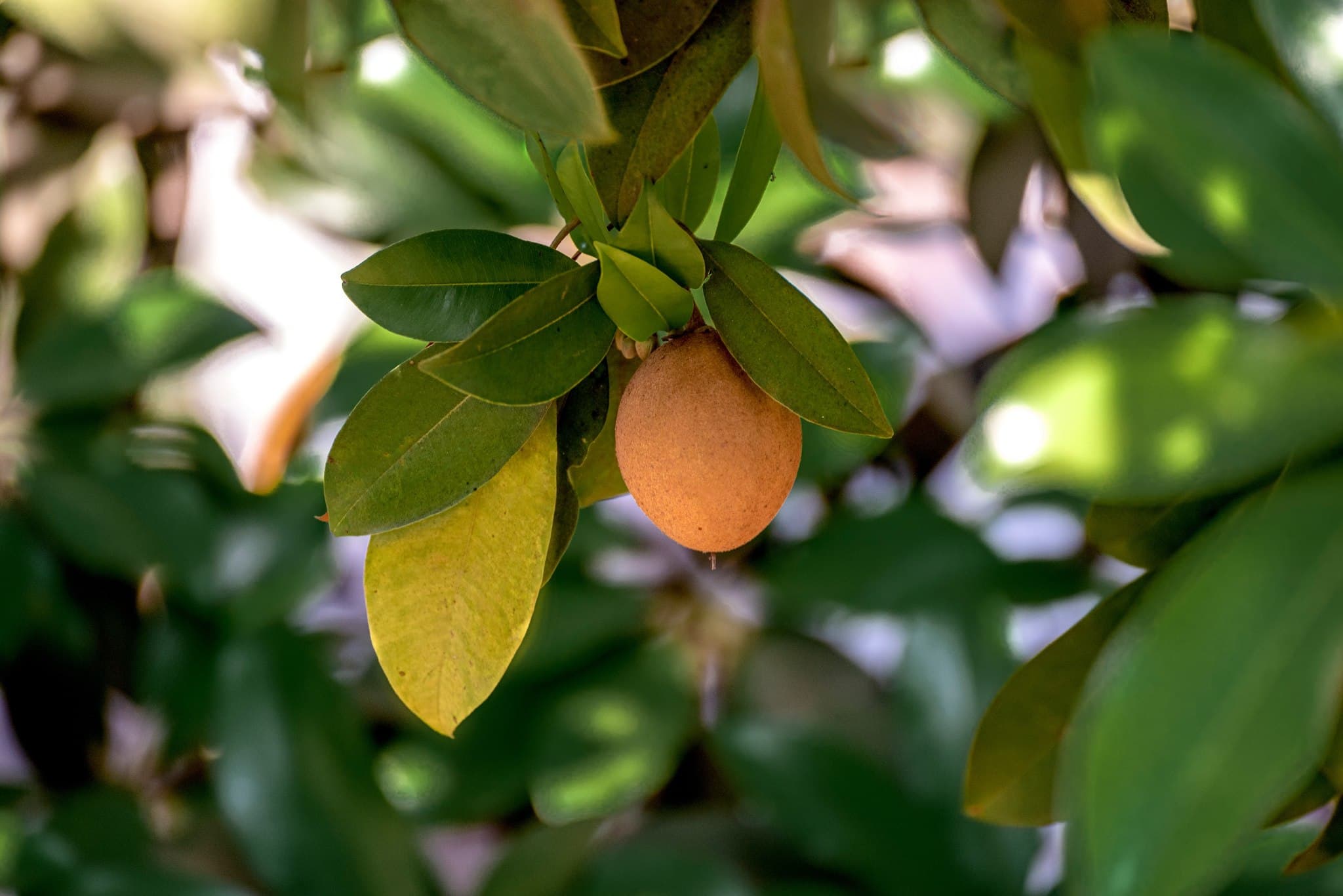
The Chikoo Orchards of Gholvad — A Farm Walk Near Mumbai
Walk through 25 acres of India's sweetest fruit — a living farm, a GI-tagged legacy, and a story that began in 1888
From Tree to Table: The Gholvad Chikoo Story
Gholvad, a small town in Maharashtra's Palghar district, is renowned as India's chikoo (sapota) capital. The region's unique coastal climate, mineral-rich soil, and traditional farming methods produce a fruit so distinctive it earned Geographical Indication (GI) status — the same protection given to Champagne and Darjeeling tea.
At Save Farm, our 25+ acre working orchard has been cultivating chikoo for over 50 years. Unlike commercial farms, we follow organic practices passed down through generations, allowing the fruit to develop its signature honey-sweet flavor and melt-in-mouth texture naturally.
A visit to Save Farm isn't just a farm tour — it's a journey through the heritage of Gholvad's most treasured crop, guided by the family that has nurtured these orchards for decades.
How a Single Sapling Became Dahanu's Sweetest Legacy
Over 130 years of horticultural history that earned the GI tag
The Roots of Sweetness (1888)
The journey began in 1888 with an experiment. Sir Dinshaw Petit, a Parsi entrepreneur, imported a sapota sapling from South America. Lacking space in his own garden, he entrusted it to his friend Ardeshir Irani in Gholvad.
That single sapling didn't just survive; it thrived. The coastal air and warm tropical climate proved to be the perfect nursery. By the 1920s, the Parsi-Irani community had embraced chikoo farming, laying the foundation for what would become a century-long tradition.
Innovation Born from Storms
In the 1940s, a devastating storm swept through Dahanu, uprooting thousands of trees. The destruction revealed a fatal flaw: the traditional air layer root systems were too shallow for the coastal winds.
Faced with ruin, a local farmer named Merwan Khodadad developed a revolutionary solution: grafting chikoo onto the native Rayan (Khirni) rootstock. The Rayan tree had deep, anchor-like roots and was incredibly resilient. This innovation saved the industry and became the standard practice that defines Dahanu orchards today.
“The Rayan rootstock is the unsung hero of Dahanu—providing the strength to weather any storm while the chikoo scion provides the sweetness.”
The Secret Sauce: Soil & Sea
Why does Dahanu chikoo taste different? It's not just the variety (Kalipatti); it's the Terroir.
Calcium-Rich Soil
The soil here is uniquely rich in calcium derived from ancient shell deposits. This mineral content directly contributes to the fruit's unique granular texture and intense sweetness (TSS > 11%).
Maritime Climate
The humid sea breeze creates a microclimate that reduces irrigation needs and imparts a distinct flavor profile that cannot be replicated in interior regions.
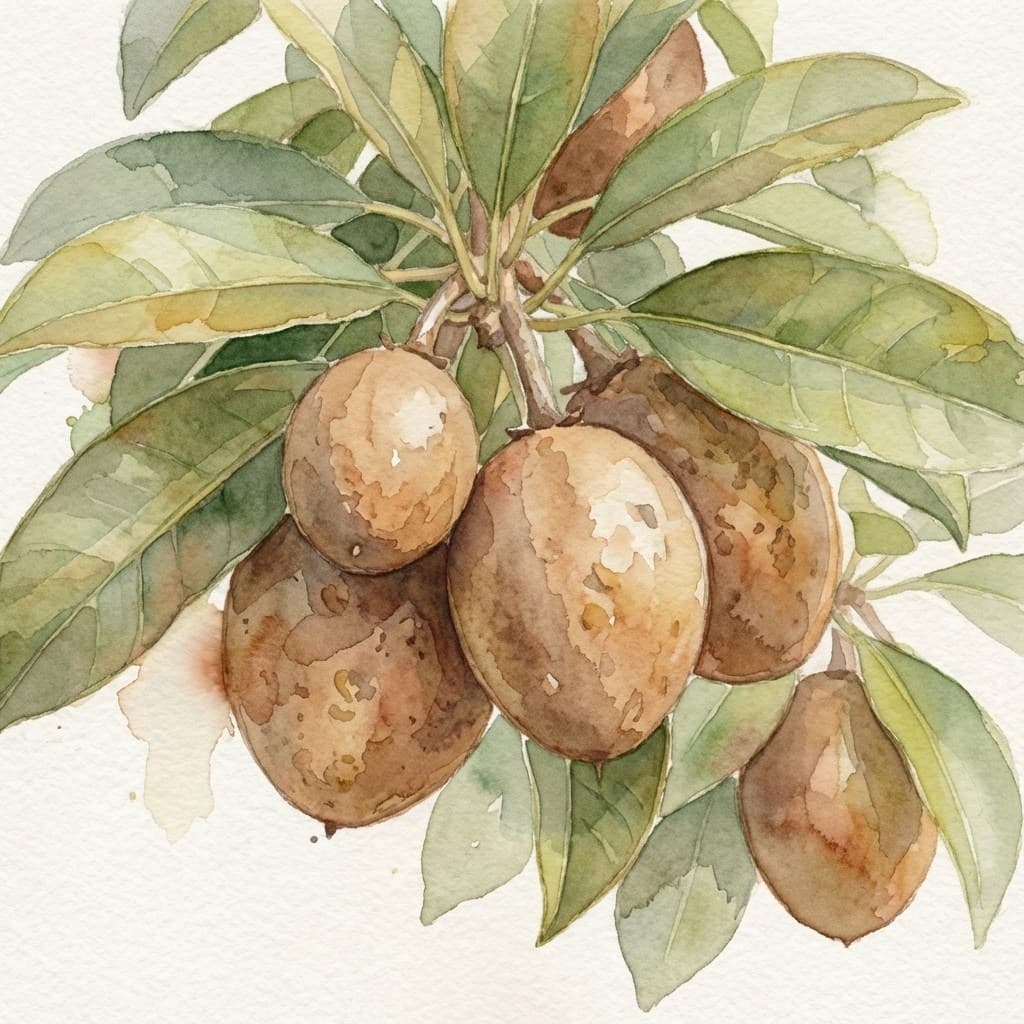
The GI-Tagged Dahanu Gholvad Chikoo
What a Morning in the Chikoo Orchard Feels Like
A morning on this chikoo farm near Mumbai begins before you're fully awake. The first light breaks over the orchards, turning the canopy gold. Birds start up in layers — koels first, then bulbuls, then everything at once. You settle into the swing outside your room with a cup of hot tea and just watch. No agenda. No notifications. Just the slow, unhurried opening of a day on a working farm.
Gradually, the farm comes to life around you. Staff arrive on foot and bicycle, greeting each other as they fan out across the 25 acres. Someone sweeps the stone pathways winding through the spice plantations. Others head to the animal enclosures — feeding the goats, scattering grain for the chickens and turkeys, checking on the emus, rabbits, and guinea pigs. Across the courtyard, smoke rises from the kitchen where local tribal women from the surrounding Warli community begin preparing breakfast. There's a rhythm to all of it, quiet and practised, and a slow walk through the farm on this agro tourism property in Dahanu gives you a front-row seat.
Breakfast is the kind of meal that makes you forget about lunch. The kitchen serves a rotating spread of Maharashtrian staples — poha, misal, upma, batata wada, idli — all cooked fresh that morning. Alongside, there's a plate of whatever the orchard has given up that week: ripe chikoos during harvest season, slices of papaya, jamun in the monsoon, mangoes with the onset of the rains. You eat slowly, surrounded by the sounds of the farm still unfolding around you.
By late morning, the day opens up into hands-on experiences. You sit with a local artisan and weave strips of bamboo into a basket. You mould wet clay on a wheel, shaping it into a pot you'll take home. Or you pick up a brush and paint Warli figures onto mud-cladded walls — the same geometric art that the tribal communities here have practised for centuries. This is the unhurried, unplugged rhythm of a farm visit near Mumbai — and it all happens before noon.
The Chikoo Farm Experience
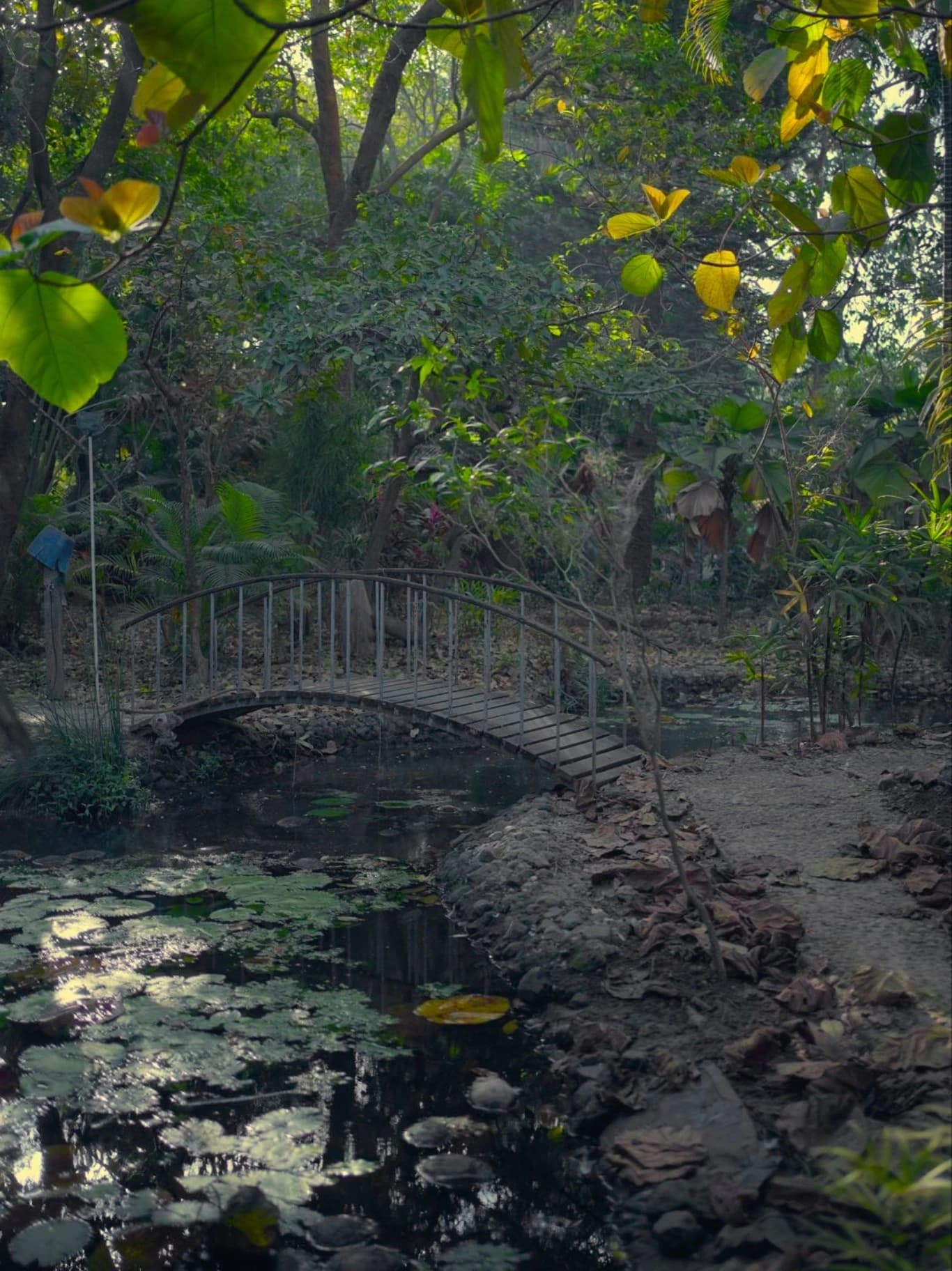
Guided Orchard Walk
Stroll through rows of mature chikoo trees, some over 50 years old. Learn about organic cultivation, grafting techniques, and the lifecycle of the sapota fruit from our expert guides.

Pick Your Own Chikoo
During harvest season (November to June), participate in the traditional picking process. Learn how farmers identify ripe fruit and take home freshly picked chikoos as a memento of your visit.

Taste the Difference
Experience the unmatched sweetness of tree-ripened Gholvad chikoo. Our farm-to-table meals feature chikoo in various forms — fresh slices, milkshakes, and traditional desserts prepared by local cooks.
Beyond the Orchard — What Else Grows Here
Save Farm is more than chikoo. 55+ years of experimental farming includes high-density plantations, fish as intercrop, farm produce processing, and rainwater harvesting systems. Every season reveals a different side of sustainable agriculture.
A Nursery That's Been Supplying Saplings for 30 Years
Save Farm operates one of the oldest government-registered fruit crop nurseries in the region. For over three decades, we have been supplying high-quality saplings to farmers across Maharashtra, Gujarat, Madhya Pradesh, and Northern Karnataka.
Government-registered nursery with decades of expertise
High success rate with repeat customers across four states
Chikoo saplings from proven GI-tagged farm
Multiple mango varieties and other fruit crops available
Expert guidance on plantation and aftercare
More than 400 identified plant varieties on the farm.
When to Visit the Chikoo Orchards — Seasons on the Farm
Peak Harvest
Nov – Feb
Maximum chikoo availability, pick-your-own experience, pleasant weather cooler than any nearby hill stations
Extended Harvest
Mar – Jun
Chikoo continues + summer fruits (mango, papaya), warm days, orchard in full production
Monsoon Retreat
Jul – Oct
Lush green landscapes, 1.25-acre rainwater pond at its fullest, dramatic skies, fewer crowds
The Chikoo Festival at Bordi Beach
Held annually in February – March
Every year, the stretch of coast between Gholvad and Bordi comes alive for the Chikoo Festival — a celebration of the fruit that defines this region. Organised by local farming communities, the festival brings together growers, chefs, and visitors for a weekend of orchard walks, cooking demos, live Warli art, and more chikoo than you can eat.
For Save Farm, the festival is personal. Our family has been part of the Gholvad chikoo story for three generations, and the festival is a chance to share that legacy with a wider audience. Visitors can walk our orchards, taste fresh sapota varieties, and learn the grafting techniques that have sustained Dahanu's chikoo industry since the 1940s.
The festival typically runs over a weekend in late February or early March, timed to coincide with the tail end of peak harvest season. Stalls line Bordi Beach with chikoo milkshakes, sapota ice cream, and chikoo-based sweets. Cultural performances — including Tarpa dance by local Warli communities — round out the experience.
Tip: If you're planning a trip around the Chikoo Festival, book your stay at Save Farm early — rooms fill up fast during festival weekends. We're just 3 km from Bordi Beach.
Getting Here from Mumbai
Save Farm is in Gholvad village, Dahanu taluka, Palghar district — about 130 km north of Mumbai. Whether you drive, catch a train, or fly into BOM, reaching us is straightforward.
By Road
2.5 – 3.5 hours
Drive north on NH-48 (Mumbai–Ahmedabad Highway) past Manor and Charoti. Take the Dahanu exit towards Gholvad. Save Farm is 2 km before Gholvad Railway Station. Weekday drives are quicker; GPS search for "Save Farm Tarpa" takes you straight to the entrance.
By Train
2 hr 45 min
Western Railway local from Churchgate to Gholvad station (2 km from farm) or Dahanu Road station (10 km). Trains run every 20–30 minutes during peak hours. Auto-rickshaws are available outside both stations.
By Air
Via BOM airport
Fly into Chhatrapati Shivaji Maharaj International Airport (BOM), then hire a cab or drive north on NH-48. Surat Airport (STV) is another option at ~230 km for guests from northern India.
While You're at Save Farm
Save Farm has 25 acres of things to see and do.
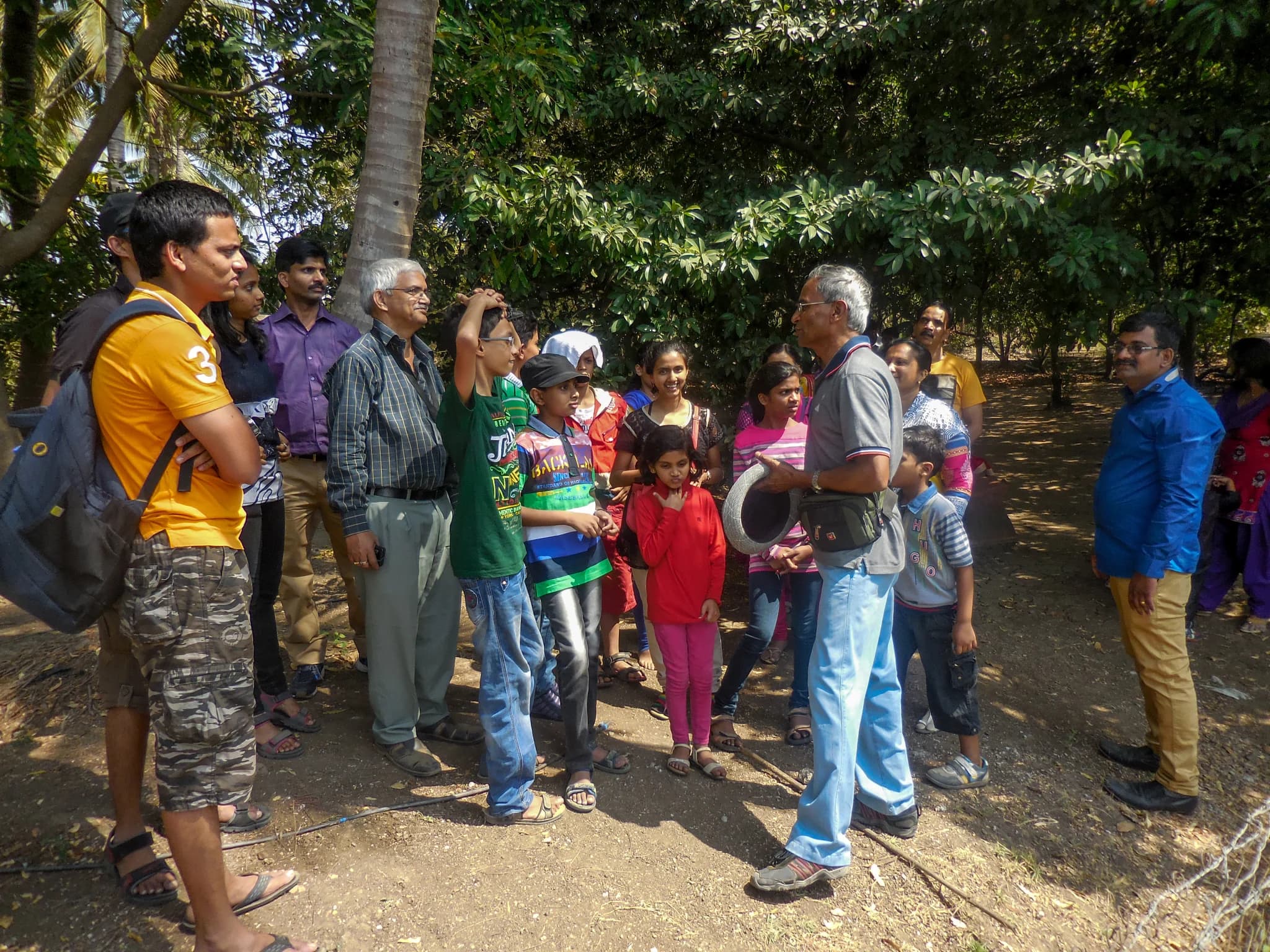


Why Our Chikoo Experience Is Unique
25+ Acres
Working chikoo orchard with high-density plantation and integrated fish farming
55+ Years
Three generations of sustainable farming, experimentation, and horticultural expertise
GI Certified
Geographical Indication tag (2016) — same protection as Champagne and Darjeeling tea
Frequently Asked Questions
Common Questions About the Chikoo Experience
More from the Blog

Come Walk the Orchard
Pick your own sapota, taste tree-ripened fruit, and discover three generations of sustainable farming in Gholvad.
Rates: ₹7,500 (Couple) | ₹11,500 (Family) per night
Includes accommodation, all meals, farm tour, and activities